


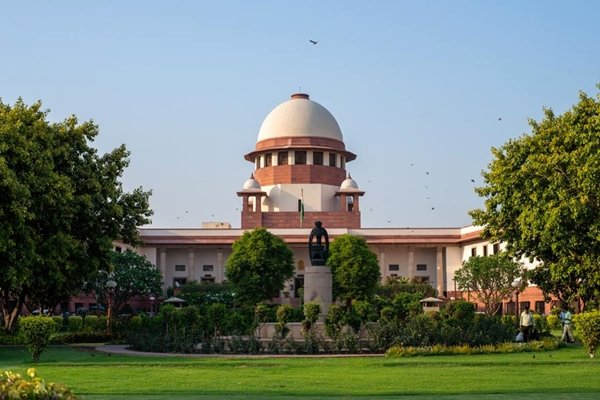
The Supreme Court has clarified that state governments can withdraw First Information Reports (FIRs) against student protesters, except in cases of grave offences. The court is also considering protocols for pellet gun usage and potentially forming a Special Investigation Team (SIT) or appointing a retired judge committee to investigate police excesses.

In response to the recent student protests at Delhi’s Jantar Mantar and other locations across India over the NEET examination paper leak issue, the Supreme Court has granted state governments the power to close or withdraw FIRs registered against students who participated in the protests. The clarification came during a hearing on 2nd of August. Initially, the court's order was intended to apply only to those accused of serious offences.
During the hearing, Solicitor General Tushar Mehta explained that criminal law does not allow for FIR withdrawal; instead, the appropriate steps would be to file a closure report, request a prosecution withdrawal, or challenge the proceedings before the competent court. The Supreme Court is currently considering protocols for pellet gun usage and potentially forming an SIT or appointing a retired judge committee to investigate police excesses.
The three-judge Bench led by Chief Justice Surya Kant explained that its 28th of July order permitting the prosecution of protesters with ‘criminal antecedents’ was intended to apply only to those accused of grave and heinous offences. The top court was hearing pleas alleging excessive police action against students who participated in protests at Jantar Mantar on 20th of July.
Source:
Akashvani News